Garage Door Materials Compared: Steel, Wood, Aluminum, and More
Selecting the right garage door material is one of the most important decisions for homeowners and business owners alike. Garage doors serve as the gateway to a property, influencing both its aesthetic appeal and functional performance. From enhancing curb appeal to providing security, insulation, and durability, the choice of material directly impacts the long-term value and maintenance requirements of any garage. As trends evolve in home design and commercial architecture, understanding the advantages and limitations of different materials has become essential for making informed decisions.
Modern garage doors come in a variety of materials, each offering unique characteristics. Steel provides strength and low maintenance, wood offers natural beauty and customization, while aluminum delivers lightweight design and modern appeal. Additionally, composite materials, fiberglass, and vinyl options have emerged, catering to specialized needs such as climate resilience, energy efficiency, and resistance to corrosion. Making the right choice requires careful consideration of aesthetics, functionality, cost, and long-term durability. This blog will provide an in-depth comparison of steel, wood, aluminum, and other garage door materials, offering practical insights to guide the selection process and ensure that the chosen door meets both functional and design expectations.
Steel Garage Doors: Strength and Durability
Benefits of Steel
Steel garage doors are renowned for their exceptional strength and longevity. Resistant to impacts, dents, and warping, steel provides robust protection against both intruders and environmental factors. High-quality steel doors often come with rust-resistant coatings, which extend lifespan even in areas with high humidity or harsh weather. Another advantage is low maintenance: unlike wood, steel does not require frequent staining or sealing. Steel doors can also be insulated to enhance energy efficiency, reducing heat loss in winter and keeping garages cooler in summer, which is particularly valuable in climates with temperature extremes.
Challenges and Considerations
While steel doors offer durability, they can be prone to dents from heavy impacts, such as hailstorms or accidental contact with vehicles. Repainting may be necessary over time to maintain appearance, especially in areas with significant sun exposure. Noise can be an issue for some steel doors if not properly insulated or equipped with noise-reducing mechanisms. Choosing a gauge that balances thickness and flexibility is critical for optimizing performance and longevity.
Best Practices and Expert Tips
Opt for steel doors with a baked-on enamel or powder-coated finish to resist rust and maintain aesthetics. Incorporating double-layer insulation improves both noise reduction and energy efficiency. Pairing steel doors with quality rollers and tracks ensures smooth operation and extends overall life span. Steel doors are ideal for homeowners prioritizing durability, low maintenance, and security without sacrificing style, especially in contemporary or industrial designs.
Wooden Garage Doors: Classic Beauty and Customization
Benefits of Wood
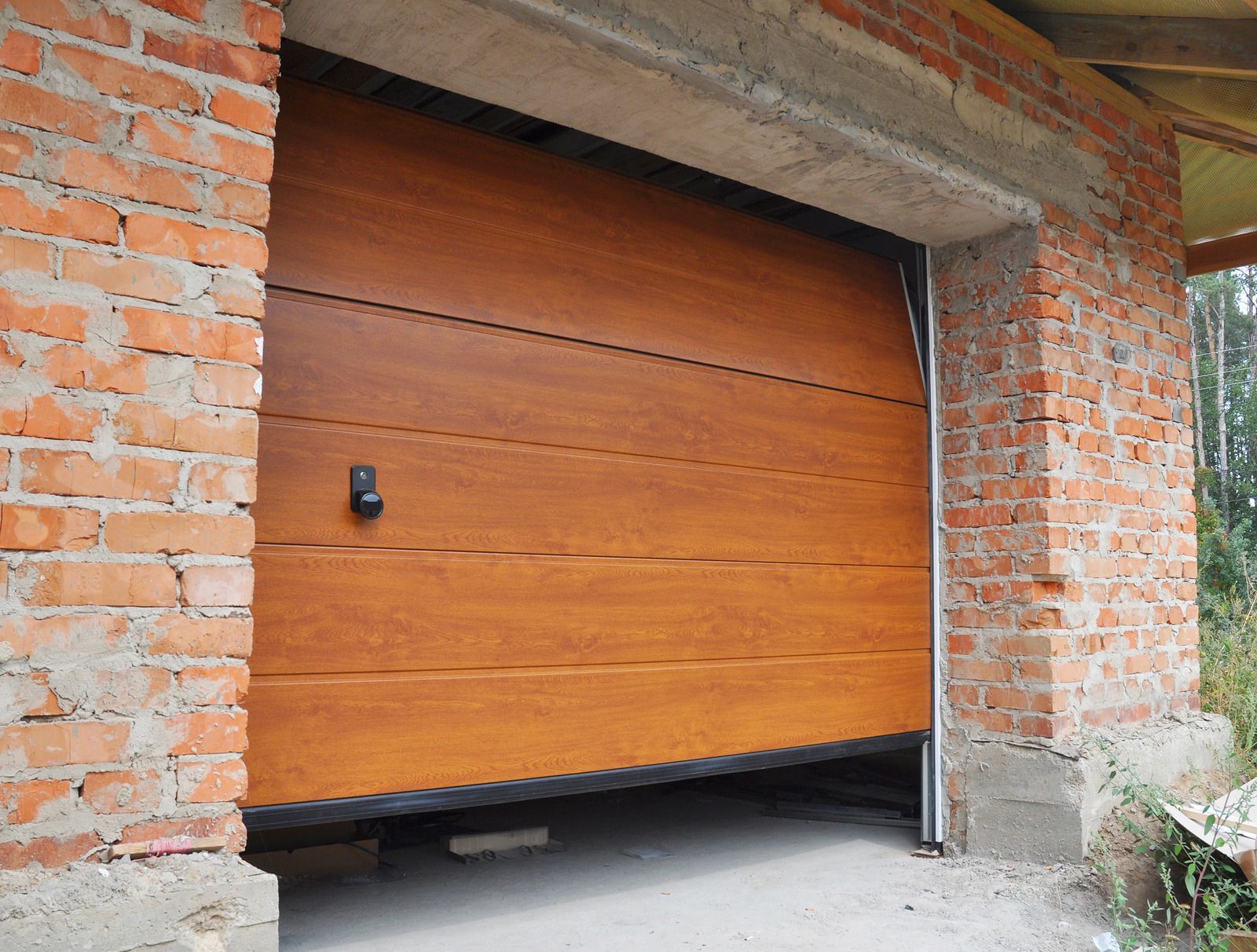
Wood garage doors are celebrated for their timeless elegance and architectural versatility. Natural wood offers warmth and charm, making it a popular choice for traditional, craftsman, and colonial-style homes. Wood allows for extensive customization, from carved panels to ornate designs and a wide range of stains and paints. The material also provides excellent sound insulation and can be crafted to create seamless integration with other exterior elements, such as siding and trim.
Challenges and Maintenance
Wood requires regular maintenance to protect against moisture, rot, and insect damage. Exposure to sun, rain, and snow can cause warping, cracking, or fading if not properly treated. Costs tend to be higher compared to steel or aluminum due to both material expense and upkeep requirements. Additionally, heavy wood doors may demand reinforced hardware and stronger garage door openers to ensure smooth operation.
Best Practices and Expert Tips
Select high-quality, kiln-dried wood to minimize shrinkage and warping. Applying a durable sealant or weatherproof finish enhances longevity and protects against environmental damage. Consider engineered wood or wood-clad options to reduce weight and maintenance needs while retaining natural beauty. Wood doors excel in residential settings where visual appeal and architectural harmony are top priorities, especially for homeowners willing to invest in long-term care.
Aluminum Garage Doors: Lightweight and Modern
Benefits of Aluminum
Aluminum garage doors offer a modern, sleek appearance while remaining lightweight and easy to operate. The material is naturally resistant to rust and corrosion, making it ideal for coastal regions or areas with high humidity. Aluminum doors can feature glass panels or custom designs, allowing natural light into the garage without compromising security. Lightweight construction reduces stress on garage door openers and hardware, which can extend their functional lifespan.
Challenges and Considerations
Aluminum is softer than steel, making it more susceptible to dents and scratches. While aesthetically appealing, aluminum doors may require careful handling to prevent cosmetic damage. Thermal efficiency can be lower compared to insulated steel doors, so additional insulation may be necessary in extreme climates. Wind resistance can also be a concern for large aluminum doors unless reinforced with internal supports or thicker gauges.
Best Practices and Expert Tips
Consider aluminum doors with reinforced frames or double-wall construction to improve strength and energy efficiency. Incorporating tempered or laminated glass enhances safety and allows for daylighting. Aluminum is well-suited for modern homes, urban properties, and commercial settings where design flexibility, contemporary aesthetics, and corrosion resistance are valued.
Composite and Fiberglass Garage Doors: Durability Meets Style
Benefits of Composite Materials
Composite and fiberglass garage doors combine multiple materials to offer enhanced performance. Fiberglass doors are lightweight, strong, and resistant to rot, corrosion, and fading. Composite options often mimic the appearance of wood while reducing maintenance and improving durability. These doors can withstand extreme weather conditions, making them suitable for both coastal and high-sun exposure areas.
Challenges and Considerations
Fiberglass and composite doors can be prone to cracking under severe impact, and they may yellow over time if exposed to prolonged UV light. Costs can vary depending on the quality and design intricacy. Customization options exist but are sometimes limited compared to real wood.
Best Practices and Expert Tips
Choose fiberglass doors with UV-resistant coatings to maintain color and appearance. Composite doors with insulated cores improve energy efficiency and soundproofing. Fiberglass and composites are ideal for homeowners seeking a balance between low maintenance, durability, and visual appeal, particularly when replicating the natural look of wood without extensive upkeep.
Vinyl Garage Doors: Affordable and Low Maintenance
Benefits of Vinyl
Vinyl garage doors offer excellent durability and resistance to dents, scratches, and corrosion. Unlike steel or wood, vinyl does not require painting or sealing and is highly resistant to moisture, making it ideal for areas prone to heavy rainfall or snow. Its lightweight nature reduces wear on mechanical components, and insulated vinyl doors provide reliable thermal performance.
Challenges and Considerations
Vinyl can be less customizable than wood or steel, with limited colors and design variations. Extreme heat may cause slight warping, and low-quality vinyl can crack over time. While highly resistant to corrosion, vinyl doors are still susceptible to damage from high-impact collisions or sharp objects.
Best Practices and Expert Tips
Select reinforced vinyl doors with internal steel framing for added strength. Opt for UV-stabilized vinyl to prevent fading in sunny climates. Vinyl doors are especially practical for residential properties seeking low-maintenance, affordable solutions that balance longevity and performance.
Choosing the Right Garage Door Material: Key Factors
Climate and Environmental Considerations
Understanding local climate conditions is critical in material selection. Coastal regions benefit from corrosion-resistant materials like aluminum or fiberglass, while areas with heavy snowfall may require insulated steel doors for strength and energy efficiency. Extreme sun exposure favors UV-resistant coatings and composite materials that prevent fading or warping.
Security and Durability Needs
Security considerations often favor steel or reinforced composite doors due to their resistance to forced entry. Aluminum and fiberglass doors offer adequate protection but may need reinforced frames in high-risk areas. Consider door thickness, insulation, and locking mechanisms to enhance overall security.
Aesthetic and Design Preferences
Design is a key factor, especially in residential settings. Wood provides timeless beauty and architectural harmony, aluminum delivers modern, sleek aesthetics, and composites allow wood-like appeal with reduced maintenance. Color, panel style, and window inserts contribute to visual appeal while complementing exterior design.
Budget and Maintenance
Budget constraints play a significant role in material selection. Steel and aluminum generally offer lower upfront costs with moderate maintenance, while wood requires higher investment and ongoing care. Composite and vinyl materials strike a balance between cost, longevity, and aesthetics, offering reliable long-term value with reduced upkeep.
Energy Efficiency
Insulated doors improve energy efficiency by reducing heat transfer, lowering energy bills, and maintaining a comfortable garage environment. Materials with double-wall construction, polyurethane cores, or composite insulation enhance thermal performance. Steel and wood doors can be insulated, while aluminum may require additional inserts for optimal efficiency.
Reliable Solutions From Experienced Garage Door Professionals
Choosing the right garage door material is a multifaceted decision that impacts security, functionality, aesthetics, and long-term maintenance. Steel offers durability and low upkeep, wood provides natural beauty and design flexibility, aluminum delivers lightweight modern appeal, while composites and vinyl offer a balance of durability, low maintenance, and visual customization. Understanding the advantages and challenges of each material helps ensure that the selected door meets specific property requirements, climate considerations, and design goals. Incorporating insulation, reinforced structures, and protective finishes further enhances performance, energy efficiency, and lifespan.
At Garage Door Services of Door County, LLC, based in Sturgeon Bay, Wisconsin, over 9
years of experience has honed expertise in delivering durable, attractive, and reliable garage door solutions. Committed to professional installation, maintenance, and repair services, we provide tailored guidance to match property aesthetics with functional needs. Our focus on quality, safety, and long-term value ensures every project exceeds expectations, making us a trusted partner for homeowners and businesses seeking dependable garage door solutions.