DIY vs Professional Garage Door Installation: What You Should Know
The new door is leaning against the garage wall, still half wrapped, and you are standing there with a drill in one hand and a folded instruction sheet in the other. The old door finally gave out. Panels are dented, the bottom seal is cracked, and a fresh replacement felt like a fair weekend project. Then you hit the line about winding the springs, and something in your gut tells you to slow down.
Here is the honest version. You can handle a real chunk of a garage door install on your own. The lifting, the leveling, the opener wiring, all of that sits within reach for a careful homeowner. The springs and the final balance are where most weekend jobs turn into a phone call. We have walked into plenty of garages where a confident DIY job held fine for a week, then dropped a door off its track at the worst moment. Knowing which parts you can own and which deserve a trained hand is the whole game.
Answer This Before You Pick Up a Wrench
Start with one question: are you replacing the panels only, or the entire system. There is a big gap between swapping a worn door onto existing tracks and building a new opening from bare framing. A panel only swap on sound tracks is a reasonable DIY target. A full system, new tracks, new springs, new cables, and a fresh opener, is a different animal.
Weight matters more than people expect. A two car steel door can run past 150 pounds, and an insulated model with a wood overlay climbs well beyond that. You are managing a heavy, awkward slab while it is partly bolted and partly loose. If you cannot steady that weight with a helper, the job has outgrown a solo afternoon.
What You Can Handle On Your Own
Plenty of this work is fair game for a patient homeowner. Mounting and squaring the track brackets, bolting the panels together hinge by hinge, feeding the rollers into the track, and running the opener rail are all manageable with basic tools and a level. None of those steps store dangerous energy, and a mistake shows up as a bind you can correct, not an injury.
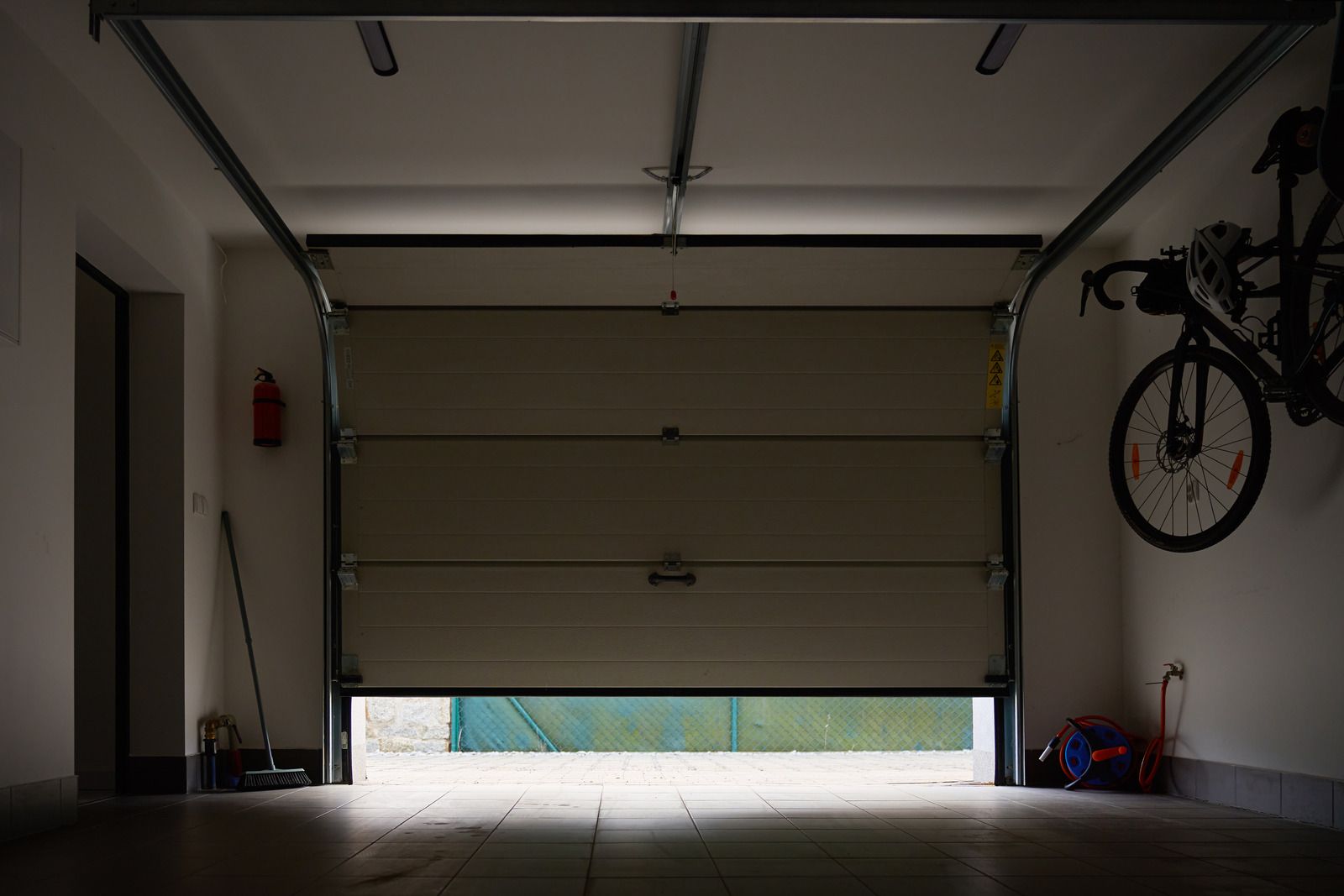
The opener itself is the friendliest part of the project. Setting the rail, wiring the motor head, and programming the travel limits take patience more than skill. One step there matters most. The two safety sensors near the floor have to face each other and read clean, or the door will reverse on a shadow or refuse to close. Get those eyes aligned and most opener headaches disappear.
Where DIY Installs Go Sideways
Most failed home installs trace back to one thing: the door was never truly balanced. People bolt everything together, the door goes up and down, and they call it done. Then the rollers wear fast on one side and within a season the door is grinding. A door out of balance forces the opener to do work the springs were built to do, and that motor was never sized for it.
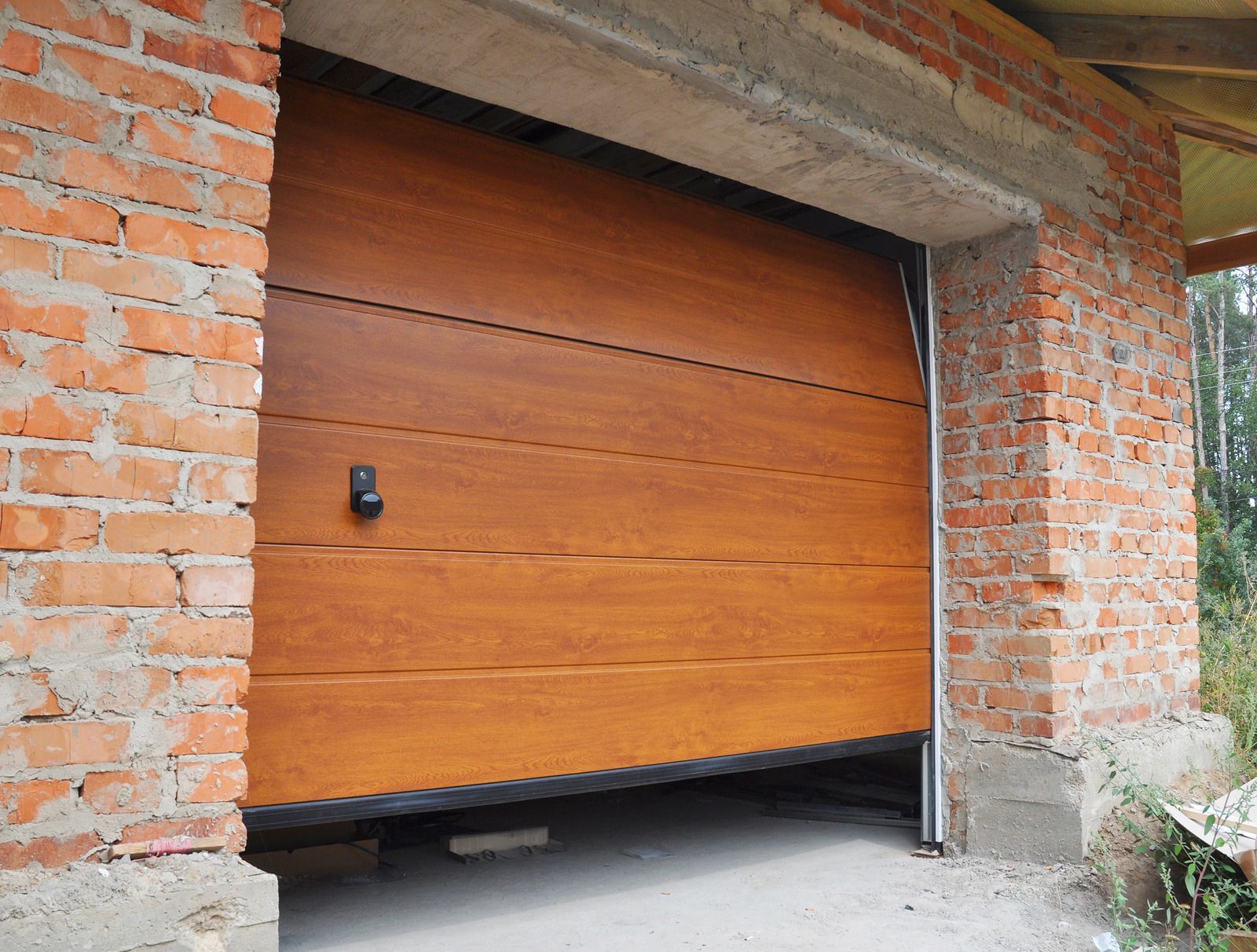
Track alignment is the second common miss. The vertical tracks need to sit plumb and parallel, with even spacing the full height of the opening. A track that leans in even a small amount lets the door rub, chatter, and eventually jump the rail. We see this constantly when someone trusts the old anchor holes instead of measuring fresh.
Then there are cables. A loose or crossed cable looks minor until the door racks sideways on the way down and wedges in the opening. Cables and springs work as a pair.
The Spring Tension Almost Everyone Underestimates
The torsion spring above the door is the single most dangerous part of the whole job, and it is the line where DIY should usually stop. That spring holds an enormous amount of stored energy in a small coil. It holds the door up not because it is strong metal but because it is wound tight, on purpose, to counter the weight of the slab.
TIP: To confirm a finished door is balanced before you trust it, disconnect the opener and lift the door to waist height by hand, then let go. A properly balanced door floats and holds. If it drops or climbs on its own, the spring tension is off and the door is not ready for daily use.
WARNING: A loaded torsion spring can spin a winding bar out of your grip and into your face or hand fast enough to break bones. Never try to wind, unwind, or remove a spring without the correct winding bars, eye protection, and real experience. A slip here sends people to the emergency room.
How Cold Weather Changes the Math Here
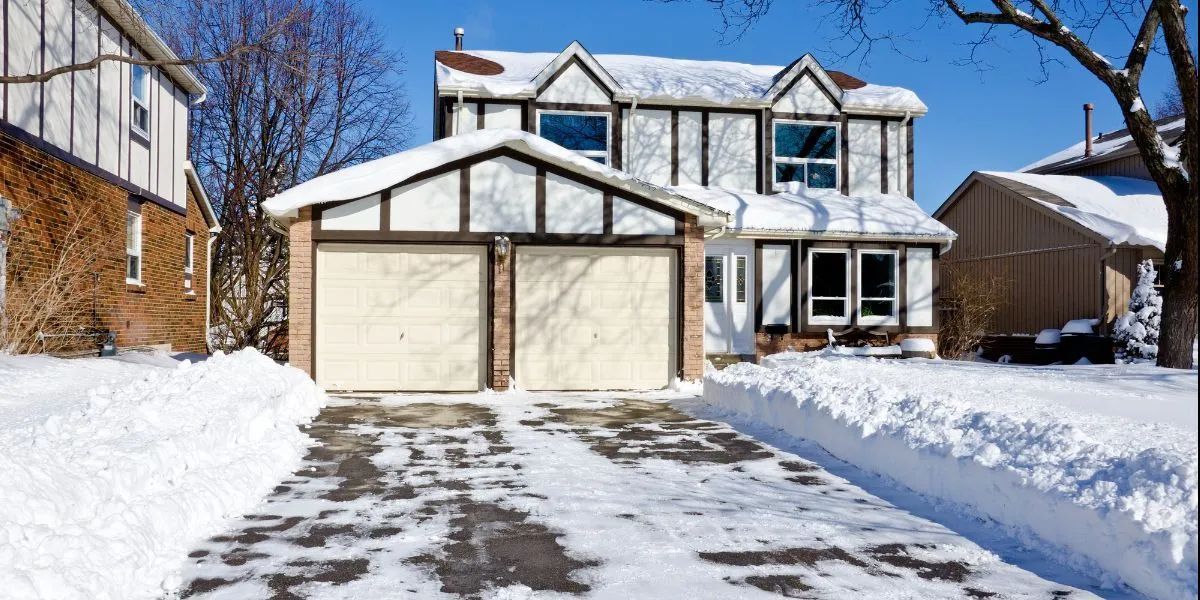
Winters on the peninsula do not just make the job colder. They change how the parts behave. Steel panels contract in a deep freeze, which tightens the tolerances between sections and pinches the rollers. Lubricant that flowed fine in October turns stiff by January, so a door smooth in fall starts dragging when the temperature drops below twenty.
Springs feel the cold most of all. Steel grows more brittle as it chills, and a spring wound during a warm install can behave differently after cycling through hard freezes. That is why we set tension with the coming winter in mind, not just the day of the install. Lake effect snow piles against the bottom of the door, and the seal can freeze to the slab overnight. Yank a frozen door open with the opener and you risk bending a panel or stripping the gear.
Heavy snow load and repeated freeze thaw cycles also work hardware loose over a season. Bolts that were snug in fall need a check by spring. A door installed without that local reality in mind starts complaining around the first real cold snap.
When Calling a Pro Actually Saves You
There is a clean dividing line. If the work involves springs, cables, or a door so heavy you cannot steady it safely, bring in trained hands. The risk is not just a botched install. It is a slab dropping unexpectedly or a spring releasing inches from your face.
Honest answer on the rest: sometimes a careful DIY install holds for years, and sometimes it masks a balance problem that quietly chews through rollers until something fails hard. The difference usually comes down to whether the door was truly balanced and the tracks were truly plumb. When in doubt, a balance and tension check is a small ask that protects the investment.
Frequently Asked Questions
How long does professional garage door installation take?
A standard single door usually takes us three to four hours from start to finish. Add an opener or a second door and you are looking at five or six. The spring winding and sensor alignment at the end always take longer than people expect.
Can I install a garage door opener myself?
Yes, the opener is the friendliest part of the job for most homeowners. Mounting the rail, wiring the motor, and setting the travel limits are manageable with patience. The one step we ask you not to skip is aligning the safety sensors correctly every time.
Why are garage door springs so dangerous to replace?
Torsion springs hold enough stored energy to break bones when one lets go without warning. A loaded spring can spin a winding bar out of your hands in a blink. This is the one repair we tell every homeowner to leave to a trained installer.
Does cold weather affect a new garage door installation?
It does more than you might think around here. Steel panels contract in deep cold, lubricant thickens, and springs grow brittle, so timing and material choice matter. Winter installs need extra weather sealing and a careful balance check before the first hard freeze sets in.
How do I know if my new door is balanced correctly?
Disconnect the opener and lift the door halfway by hand. A balanced door holds its position without drifting up or down. If it slams shut or rises on its own, the spring tension is off and needs adjustment before you put it into regular use.
Skilled Installers Ready Before Your First Hard Freeze
Every
safe garage door
install comes back to one principle: the door has to be balanced and the tracks have to be plumb before you trust it with daily weight. That gets harder in this corner of the state, where deep cold, lake effect snow, and freeze thaw cycles push hardware and springs harder than the national average. With 9
years of experience, Garage Door Services & Sales
handles full installations and balance work across Sturgeon Bay, Wisconsin, and the surrounding communities. When the springs, cables, or balance are on the line, that is our cue to step in. Reach out when you want the job set right before the first hard freeze.