How to Choose the Right Garage Door for Your Home or Business
A garage door is far more than a functional barrier; it represents a significant aspect of a property’s security, aesthetic appeal, and energy efficiency. Whether for residential or commercial spaces, the right garage door can enhance curb appeal, increase property value, and provide long-term reliability. Selecting a door that aligns with architectural style, operational requirements, and durability expectations is essential to ensure satisfaction and minimize future maintenance costs. For homeowners, the choice impacts daily convenience and safety, while for businesses, it can influence operational efficiency, client impressions, and asset protection.
The market offers a wide array of garage door options, including sectional, roll-up, and carriage-style doors, crafted from materials such as steel, aluminum, wood, and composite blends. With so many options, identifying the optimal solution requires understanding key factors like insulation, security features, material performance, and aesthetic compatibility. This guide provides a comprehensive framework for evaluating and selecting the ideal garage door for any property. From practical considerations and cost analysis to style preferences and long-term maintenance, insights shared here aim to empower confident, informed decisions that maximize both functionality and visual appeal.
1. Understanding Garage Door Types
Sectional Garage Doors
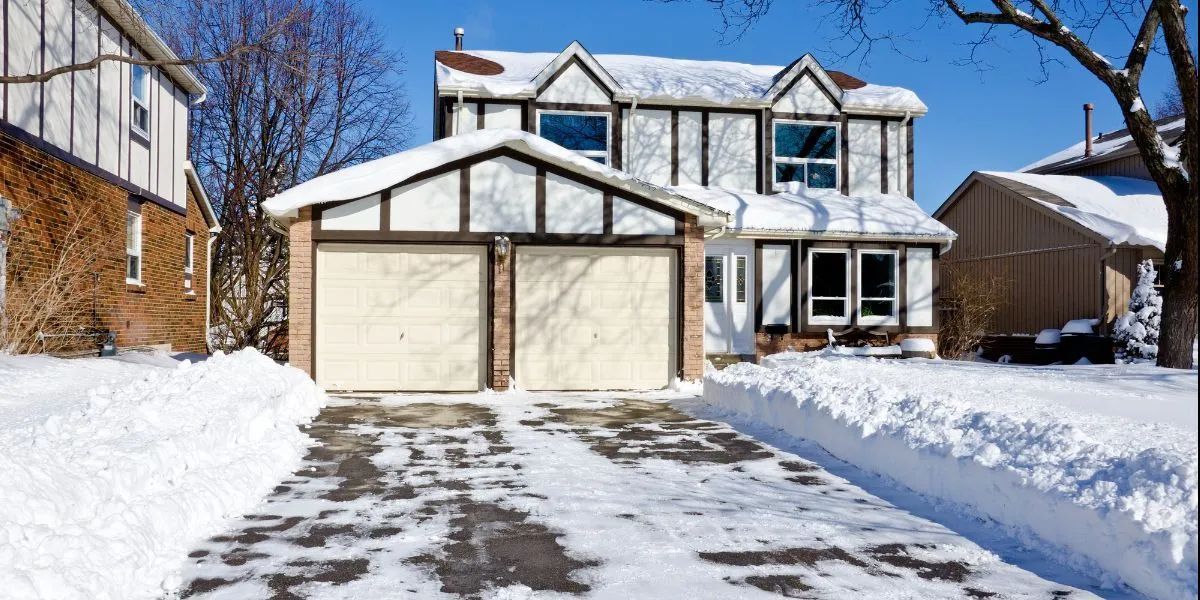
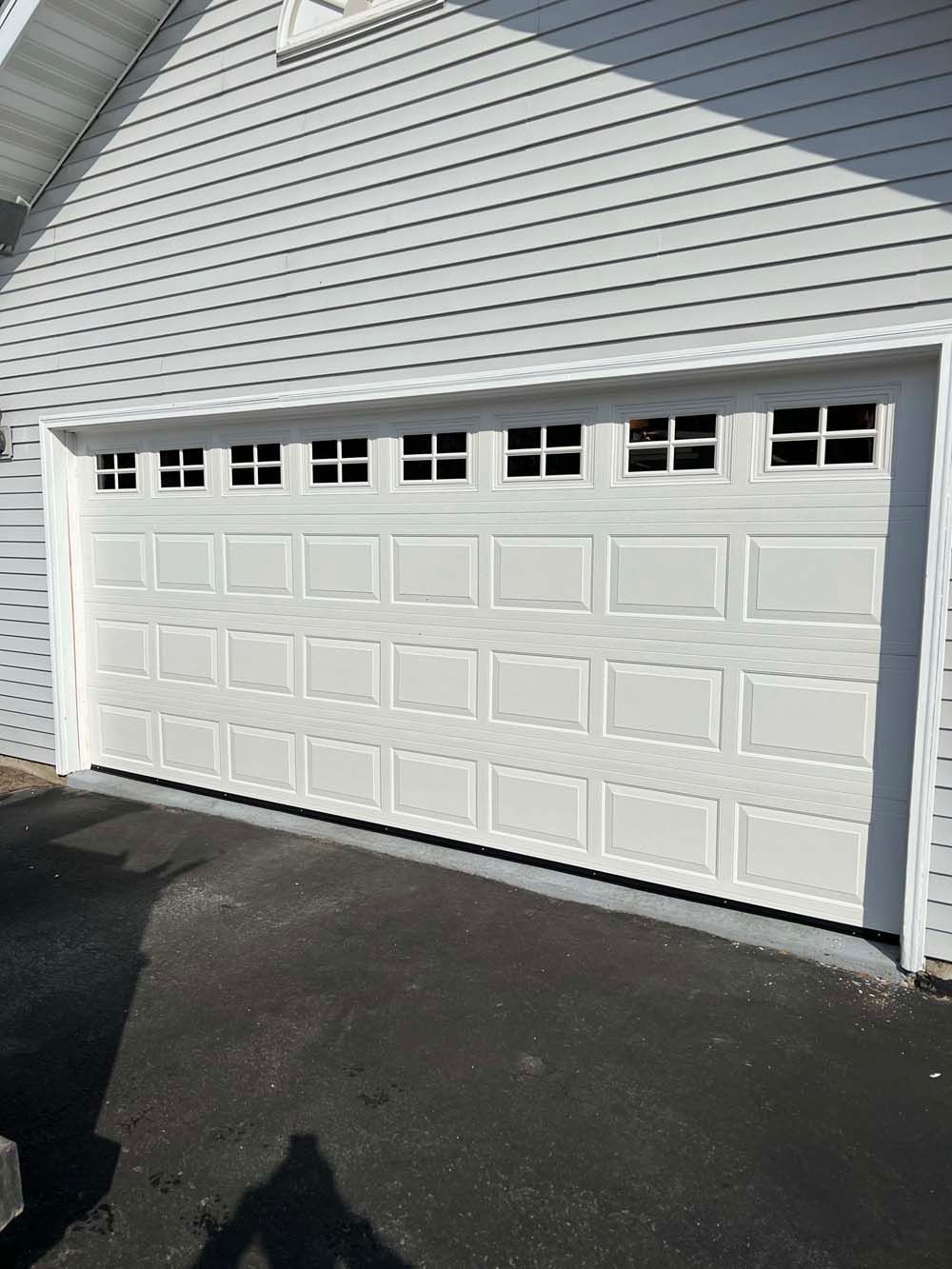
Sectional doors consist of horizontal panels that move vertically along tracks and roll overhead when opened. This design is highly versatile, accommodating homes and commercial spaces with varying ceiling heights. Sectional doors are ideal for tight driveways, as they open straight up rather than swinging outward. Benefits include superior insulation options and enhanced durability, making them suitable for climates with extreme temperature fluctuations.
Roll-Up Garage Doors
Roll-up doors operate by coiling around a drum located above the doorway, offering maximum space efficiency. These doors are particularly common in commercial environments such as warehouses and storage facilities due to their minimal overhead clearance requirements and quick operational speed. Roll-up doors are typically constructed from steel or aluminum slats, which provide strength and security. Challenges include limited insulation options and higher repair complexity compared to sectional doors.
Carriage-Style and Swing-Out Doors
Carriage-style doors evoke a traditional, rustic aesthetic by resembling classic barn doors. These doors may swing outward or operate with a lift mechanism and are frequently used for residential properties seeking architectural charm. While visually appealing, they require sufficient driveway space and can be less energy-efficient without proper insulation. Swing-out doors, in particular, demand clearance in front of the garage and are susceptible to obstruction.
Choosing the Right Type
When selecting a garage door, consider the operational environment, space constraints, and long-term functionality. Residential properties benefit from a balance of style, insulation, and ease of use, whereas commercial installations prioritize durability, speed, and security. Evaluating these factors ensures the door not only fits current needs but also accommodates potential future modifications or property expansions.
2. Material Considerations for Durability and Maintenance
Steel Garage Doors
Steel remains the industry standard for its exceptional strength, low maintenance, and resistance to impact and warping. Galvanized steel doors are corrosion-resistant, making them suitable for humid or coastal environments. Modern steel doors often include insulation layers, enhancing energy efficiency while reducing noise. For example, commercial properties with frequent traffic benefit from steel’s resilience and long-term durability, reducing repair and replacement costs over time.
Aluminum Doors
Aluminum offers a lightweight alternative that resists rust and supports modern, minimalist aesthetics. Its lightness simplifies automation, lowering wear on mechanical components. However, aluminum can dent more easily under impact and may not provide the same security level as steel. Aluminum doors with reinforced frames strike a balance, delivering both style and reasonable durability for residential or moderate-use commercial applications.
Wood and Composite Options
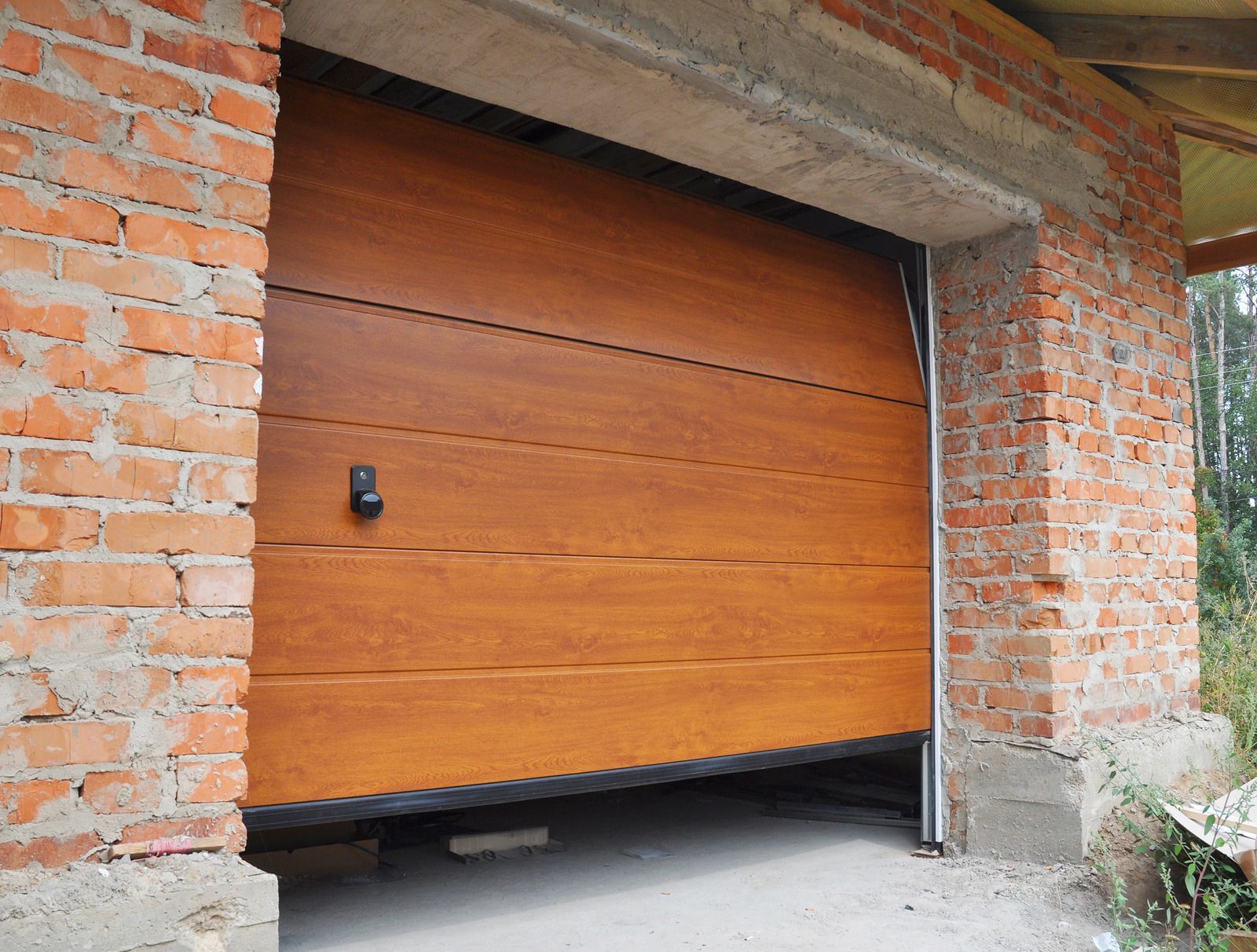
Wood doors convey warmth and traditional appeal but require regular maintenance, including sealing, staining, or painting, to prevent moisture damage and warping. High-quality composite doors mimic wood’s aesthetics while offering greater resistance to decay, pests, and temperature fluctuations. These options suit homeowners seeking distinctive visual statements and are increasingly popular in luxury or custom architectural designs.
Maintenance and Longevity
Material selection directly impacts long-term upkeep. Steel and aluminum minimize routine maintenance but may require refinishing to maintain appearance. Wood and composite doors necessitate scheduled inspections and surface treatments to ensure longevity. Considering environmental exposure, usage frequency, and desired aesthetic helps determine the ideal material choice, balancing appearance, durability, and operational cost over the life of the door.
3. Security Features and Safety Considerations
Locks and Reinforcement
A robust garage door contributes to overall property security. Multi-point locking systems, reinforced panels, and secure mounting brackets reduce vulnerability to break-ins. Homes in high-traffic urban areas or commercial properties with valuable inventory benefit from steel doors with advanced locking mechanisms, enhancing security without sacrificing operational convenience.
Automation and Smart Technology
Modern garage doors incorporate automated openers and smart security systems, including remote monitoring, access alerts, and integration with home automation platforms. These features enable real-time awareness of garage access, providing both convenience and security. For businesses, integration with security protocols ensures controlled access for authorized personnel only.
Safety Sensors
Automatic doors must include safety sensors to prevent accidents during operation. Infrared or motion-detecting sensors halt door movement when obstacles are detected, protecting individuals, pets, and vehicles. Ensuring proper installation and regular testing of these sensors is critical, especially in environments with high usage frequency. For families with children or properties with frequent public access, prioritizing safety features is as important as security.
Compliance and Standards
Selecting doors that comply with industry safety standards, including UL certification and ANSI guidelines, ensures both reliability and liability protection. Proper installation and routine inspections maintain operational integrity and reduce the risk of injury or property damage, aligning functionality with regulatory expectations.
4. Insulation, Energy Efficiency, and Climate Considerations
Understanding R-Values
Insulated garage doors improve energy efficiency by maintaining temperature control and reducing heat transfer. R-values measure insulation effectiveness, with higher values providing better thermal resistance. In cold climates, insulated doors prevent heat loss and minimize condensation, protecting vehicles and stored items from extreme temperatures. In hot regions, they reduce cooling costs by limiting heat infiltration.
Material and Core Choices
Steel doors with polyurethane or polystyrene cores offer excellent insulation while retaining durability. Composite doors combine aesthetic appeal with thermal performance, making them suitable for residential properties with attached garages. Wood doors can include insulating layers but require additional maintenance to ensure effectiveness over time.
Impact on Comfort and Utility
Proper insulation not only reduces energy bills but also enhances comfort for garages used as workshops, gyms, or multi-purpose spaces. Commercial spaces with climate-sensitive inventory benefit from insulated doors to maintain stable environmental conditions, preserving product quality and operational efficiency.
5. Style, Design, and Curb Appeal
Matching Architectural Styles
A garage door should complement the architectural style of the building, enhancing visual harmony and property value. Modern homes may favor sleek aluminum or steel doors with minimalistic lines, while traditional residences often benefit from wood or composite carriage-style doors. Integrating color schemes, panel designs, and decorative hardware ensures a cohesive look that elevates overall curb appeal.
Customization Options
Customization allows homeowners and business owners to express unique preferences while meeting practical needs. Windows, hardware finishes, and panel textures create distinctive designs without compromising performance. For commercial properties, branding elements such as logos or color schemes can reinforce identity and professionalism.
Real-World Considerations
Beyond aesthetics, style choices impact light penetration, visibility, and maintenance requirements. Doors with windows provide natural light, improving functionality in workshops or attached garages, while solid panels offer enhanced privacy and security. Evaluating lifestyle, operational needs, and long-term visual goals ensures the selected garage door aligns with both functional and stylistic expectations.
6. Budgeting and Long-Term Investment
Initial Cost vs. Lifecycle Value
Garage door pricing varies widely based on material, size, insulation, automation, and design features. While upfront costs are important, evaluating the total lifecycle value provides a clearer picture. Durable, energy-efficient doors may have higher initial costs but reduce repair, replacement, and energy expenses over time.
Cost-Saving Strategies
Selecting standard sizes, opting for low-maintenance materials, and combining insulation with automation can optimize cost efficiency. Maintenance schedules, protective coatings, and timely repairs further extend door life, ensuring maximum return on investment.
Balancing Quality and Affordability
Balancing functional needs, security, style preferences, and budget results in a solution that meets both operational requirements and financial constraints. Long-term planning ensures a garage door remains a strategic asset rather than an ongoing expense.
Experienced Specialists Offering Comprehensive Garage Door Services
Selecting the right garage door requires a comprehensive evaluation of type, material, security, insulation, design, and budget considerations. Each factor contributes to the door’s functionality, longevity, and visual impact. Residential properties benefit from doors that combine aesthetics, convenience, and insulation, while commercial spaces prioritize durability, operational efficiency, and security. Understanding material performance, automation features, and maintenance requirements ensures the chosen door delivers reliable service and long-term satisfaction. Safety, regulatory compliance, and energy efficiency should guide every decision, reinforcing the importance of informed, strategic selection.
At Garage Door Services of Door County, LLC, expertise and experience inform every
garage door solution. Based in Sturgeon Bay, Wisconsin, and serving the community for over 9
years, we specialize in delivering high-quality, durable, and visually appealing doors tailored to residential and commercial needs. From consultation and installation to maintenance and repair, our services provide dependable performance and long-term value. By combining professional guidance, precise installation techniques, and a commitment to customer satisfaction, we ensure each property receives a garage door solution that enhances security, functionality, and curb appeal. Partner with us for a trusted, comprehensive approach to all garage door needs.