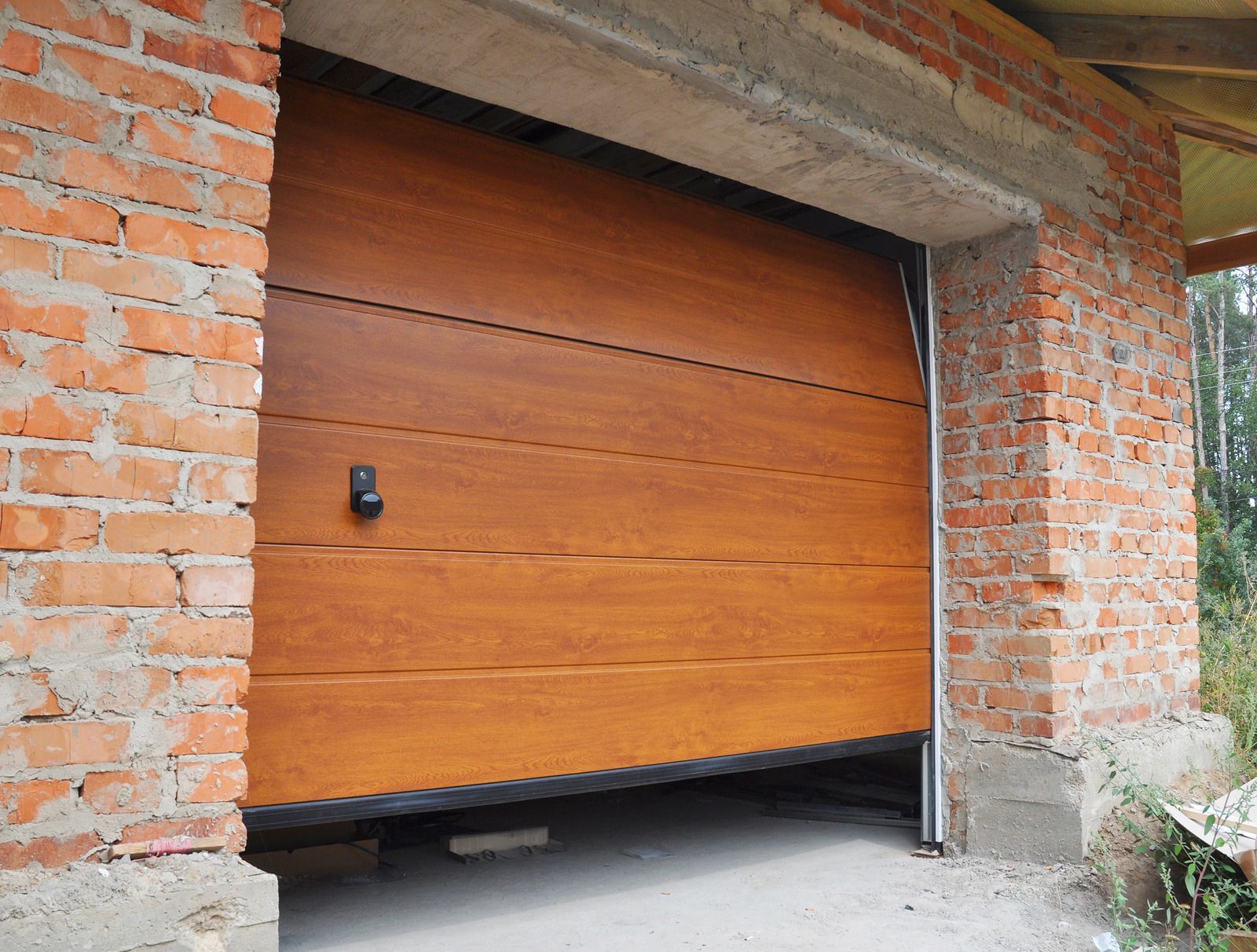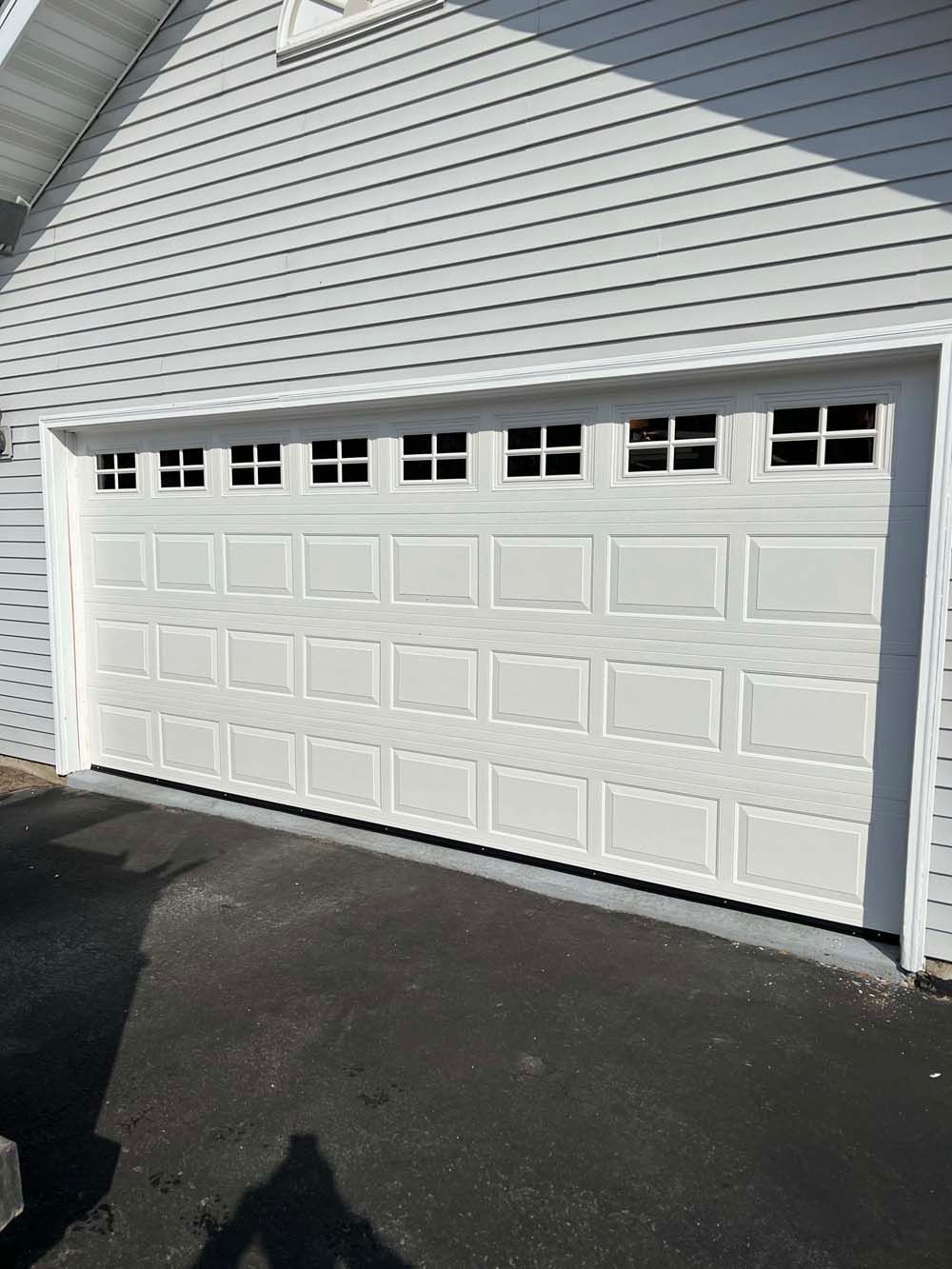
Grinding, Squealing, or Banging Garage Door? What Each Noise Really Means
Quick Answer: A grinding sound usually means worn rollers or a track that's out of alignment. A squeal or squeak points to dry hinges, rollers, or spring coils that need lubrication. A loud bang is the classic sound of a torsion spring giving way under tension, and it means stop using the door immediately. Garage door springs are rated for a set number of open and close cycles and typically hold up for 7 to 10 years of normal use, though cold winters make the metal more brittle and shorten that window. If lubricant clears up a squeal, you likely caught routine wear in time. If a grind won't quit or you hear any bang at all, the safest move is a call to a trained technician rather than another cycle of the opener.
The first cold snap of the season usually gives it away. You hit the remote on your way out for coffee, and instead of the familiar smooth roll, the door lets out a sound that stops you halfway down the driveway. Maybe it's a scrape that sets your teeth on edge. Maybe it's a high, thin squeal that sounds like it's coming from somewhere it shouldn't. Or maybe it's a bang loud enough that you check the door to make sure nothing fell off. Whatever the sound, your garage door is a mechanical system with dozens of moving parts, and it's telling you exactly where the wear is. You just have to know how to listen.
A Quiet Door Is a Working Door
A properly maintained garage door should move through its cycle with a low hum from the opener motor and not much else. Rollers glide, springs flex, and hinges pivot without complaint. Any sound beyond that baseline hum is friction, looseness, or strain showing up somewhere in the system. The trick isn't memorizing every possible cause. It's learning which category of noise you're dealing with, because grinding, squealing, and banging each point to a different part of the door and a different level of urgency.
Grinding
Metal scraping against metal, usually rhythmic and tied to the door's movement.
Squealing Or Squeaking
A higher-pitched, often sharper sound, usually most noticeable in the first few cycles of the day.
Banging
A single loud impact sound, often startling, and often the one homeowners describe as sounding like a gunshot or a car backfiring.
Grinding: Something's Rubbing That Shouldn't Be
Grinding is friction you can hear. Garage door rollers travel the length of the track hundreds of times a month, and when they're worn, dry, or riding a track that's bent or misaligned, that travel stops being smooth. Instead of rolling, the roller drags, and metal scrapes against metal the whole way up or down. Old steel rollers without ball bearings are especially prone to this once they develop flat spots or rust pitting.
A grinding sound can also come from inside the opener itself. Chain and gear-drive units have internal components that wear down over years of use, and a worn drive gear grinds in a way that sounds a lot like a track problem from outside the garage. That's part of why diagnosing noise by ear alone only gets you so far. The fix depends entirely on which part is actually rubbing.
What To Check First
Watch the door move through one full cycle and look at where the rollers meet the track. Gaps, wobble, or a roller that visibly catches on a section of track point to alignment. If the rollers themselves look flattened, cracked, or rusted through, they're due for replacement, and nylon rollers with sealed bearings run quieter and last longer than the metal ones they usually replace.
When It's Not The Rollers
If you've inspected the track and rollers and the grinding continues, or if it seems to be coming from the opener unit mounted on the ceiling, the gears inside the unit may be worn. That's not a homeowner-fixable part, and forcing the door to keep cycling on a failing gear set can strip it completely, which usually means opener replacement instead of a simple repair.
Squealing or Squeaking: Usually the Door Asking for Lubricant
This is the noise most homeowners hear first, and it's often the easiest to fix. Hinges, rollers, and the bearing at the center of your torsion spring all need lubrication to move quietly, and when that lubrication dries out or was never applied with the right product, you get a high, thin squeal every time metal moves against metal without a cushion between the parts.
Cold weather makes this worse. Lubricant thickens and loses its grip in low temperatures, so a door that's been quiet all summer can suddenly start squealing the first week the overnight temperature drops. It's not a coincidence. It's chemistry.
Tip: Use a silicone-based or lithium-based lubricant made for garage doors, applied to the rollers, hinges, springs, and center bearing every six months. Skip WD-40 for this job. It's a solvent, not a lubricant, and it tends to strip away the grease that's already there instead of replacing it.
Squeaking springs aren't automatically a red flag. Springs can squeak from normal use without indicating a failure, and industry safety guidance actually recommends trying a garage-door-specific lubricant before assuming the worst. But there's a limit to what oil fixes. If you've lubricated everything and the squeal comes right back within a week or two, or if it's paired with the door moving jerkily instead of in one smooth motion, something underneath the noise needs a closer look. Hinges crack. Rollers seize. Bearings wear out entirely. None of those clear up with more spray.
Banging: The One You Don't Wait On
A bang is different from the other two. It's not a sound of friction building over time. It's the sound of something letting go all at once. The most common source is a torsion spring failing under load, and homeowners who've heard it describe it the same way almost every time: loud, sudden, and startling enough that they assume something fell or exploded in the garage.
Springs carry the full weight of the door. A standard double-car garage door can weigh well over 100 pounds, and the spring system is what makes it feel light enough to lift by hand or move smoothly on an opener. When a spring wears out or fatigues from thousands of open and close cycles, it can snap rather than stretch, releasing all that stored tension in an instant. That's the bang.
Banging can also come from a horizontal strut that's worked loose and is now striking the door panel with each cycle, or from a door that's badly out of balance and slamming the last few inches instead of settling into place. A balanced door, when disconnected from the opener and lifted halfway by hand, should stay put. If it drops or shoots up on its own, the spring tension is off, and that mismatch puts strain on everything downstream, including the opener motor.
Warning: Never attempt to adjust, tighten, or loosen a garage door spring yourself, and don't try to force a door that's banging or stuck to keep cycling. Torsion and extension springs hold enough stored tension to cause serious injury on release, which is exactly why industry safety standards call for spring work to be handled only by a trained technician using the right winding tools.
If you hear a bang, the safest response is the simplest one. Stop using the door, whether that means leaving your car in the driveway for a day or manually propping the door if you absolutely need access, and get a technician out to look at it before anyone tries the opener again. A door with a broken spring can sometimes still open on the opener's motor alone for a cycle or two, which tricks people into thinking the problem is minor. It isn't. The opener is fighting the full weight of the door with no assistance, and that strain moves quickly to the drive gear, the cables, and the track hardware.
Sorting Out What You're Actually Hearing
Noise alone rarely tells the whole story, but a few patterns hold up consistently. A sound that shows up gradually over weeks and gets slightly worse each cycle is almost always wear: rollers, hinges, or dry hardware. A sound that appears suddenly, especially overnight or after a hard freeze, often traces back to lubricant that's thickened in the cold or a component that finally gave out after months of slow fatigue. And a sound that's loud enough to make you flinch is worth treating as urgent no matter what the calendar says.
Pay attention, too, to where the sound seems to come from. Noise near the top corners usually points to the opener or the header area. Noise along the sides tracks with the rollers and tracks. Noise from the middle of the door, especially anything rhythmic that matches the door's speed, often comes from the torsion spring assembly mounted above the opening. None of this replaces a hands-on inspection, but it's a useful way to describe the problem accurately when you do call someone, and an accurate description gets you a faster, more precise repair instead of a guess.
Why This Hits Harder in a Door County Winter
Every garage door wears down over time, but the wear curve is steeper here than it is in milder climates. Metal contracts in the cold, which tightens tolerances that were fine in August and turns minor friction into a grind by January. Lubricant that worked fine at 60 degrees can go stiff and useless at 10 below, right when the door needs it most. Road salt tracked in on tires works its way into hinges and roller bearings over a winter of trips to and from Sturgeon Bay, Sister Bay, or anywhere else on the peninsula, and that salt accelerates corrosion in exactly the parts that are already working hardest against the cold.
Springs feel this too. Metal that's already under constant tension becomes more brittle as temperatures drop, and a spring that's near the end of its cycle life is far more likely to fail on a subzero morning than a mild one. That's not a coincidence either. It's the reason so many spring failures around here seem to happen in the dead of winter, right when you need the door working most.
Frequently Asked Questions
Is any noise from my garage door normal?
A low hum from the opener is normal, and an occasional squeak after long dry spells isn't a crisis. Grinding, persistent squealing, rattling, or any bang points to a specific worn part worth addressing soon.
Why does my garage door only squeal in cold weather?
Cold thickens lubricant and slightly contracts metal parts, tightening the fit between rollers, hinges, and tracks. A door that ran quiet all summer can start squealing once temperatures drop. Fresh cold-weather lubricant often fixes it.
Can I lubricate the door myself, or does that need a technician?
Lubricating hinges, rollers, and spring coils is safe for most homeowners using a silicone or lithium-based spray. Anything involving spring tension, adjustment, winding, or replacement carries real injury risk and belongs to a trained technician.
My door is grinding but still opens and closes fine. Do I need to stop using it?
Not immediately, but that grinding friction is actively wearing down rollers, tracks, or gears with every cycle. Waiting several more weeks to address it usually means a bigger repair than calling at the first sign.
What does a bang almost always mean?
Almost always, a loud bang means a torsion spring has broken. It's sudden and distinctive, often compared to a gunshot or backfire, caused by stored tension releasing all at once. Stop using the door immediately.
How often should a garage door get a professional inspection?
An annual inspection catches wear before it becomes a bigger problem, especially heading into a Wisconsin winter. Between visits, a simple monthly hardware check and a listen through one full cycle catches small issues early.
What Your Garage Door's Noise Is Telling You
A squeal that clears up with lubricant means the wear was caught early. A grind that keeps returning means something has already worn past what oil can fix. A bang means a spring let go under tension, even if the door still seems to open normally afterward. Each sound is diagnostic information, not background noise to tune out. Door County winters push all of this along faster than milder climates, tightening tolerances, stiffening lubricant, and adding brittleness to metal already carrying months of tension.
Garage Door Services of Door County, LLC
has spent 9
years listening to garages across Sturgeon Bay, WI and the surrounding peninsula, and that stretch of winters has made one thing obvious. A quiet door isn't luck. It comes from catching a squeal before it turns into a grind, and a grind before it turns into a bang. That's the whole difference between a door that lasts and one that fails on the coldest morning of the year, paying attention while the fix is still simple.